
Table of Contents
- Understanding Pet Odor Sources and Why Natural Solutions Matter
- Pet Urine Odor Eliminator: Addressing the Root Cause
- Dog Urine Smell in Yard: Outdoor Treatment Strategies
- Cat Poop Smell Outside: Targeted Odor Control
- How to Remove Outdoor Pet Odor: Step-by-Step Application
- Natural Ingredients That Actually Work
- Safety, Coverage, and Cost Considerations
- Common Mistakes That Keep Odors Coming Back
- Frequently Asked Questions
Last Updated: October 8, 2026
Understanding Pet Odor Sources and Why Natural Solutions Matter
Pet odor is one of the most frustrating household problems to solve. The smell lingers because it comes from organic compounds that standard cleaning methods don't fully eliminate. Understanding where pet odors originate is the first step toward finding an effective natural odor eliminator pets need.
Where Pet Odors Come From
Pet odors stem from multiple sources. Urine contains uric acid crystals that break down into ammonia gas over time. Feces release volatile organic compounds.
Territorial spraying from cats creates particularly stubborn odors because the urine concentration is higher. Dogs with accidents in the house leave urine that soaks deep into carpet fibers and padding.
The real challenge is that most pet owners address only the surface. They clean the visible area but miss the underlying source where odor molecules accumulate in fibers, soil, and subflooring.
Why Masking Doesn't Work
Fragrance-based solutions mask odors temporarily. They layer a pleasant scent over the problem without addressing the root cause. Within hours or days, the fragrance fades and the original smell returns stronger than before.
Masking also creates a false sense of cleanliness. Your home may smell fresh, but the organic compounds causing the odor remain active.
A natural odor eliminator for pets works differently. Instead of covering the problem, it traps and neutralizes the odor-causing molecules at the source. This approach delivers lasting freshness rather than temporary relief.
Pet Urine Odor Eliminator: Addressing the Root Cause
Pet urine is the most common source of household pet odor. Understanding the chemistry behind urine smell helps explain why some solutions work and others fail.
How Uric Acid Creates Lasting Ammonia Smell
Urine contains uric acid crystals that don't dissolve in water. When urine dries, these crystals remain embedded in fibers and soil.
This is why water-based cleaning alone doesn't solve the problem. You can wash away fresh urine, but once it dries and bacteria begin their work, ammonia production continues for weeks or months.
A natural pet urine odor eliminator must address both the uric acid crystals and the ammonia they produce. Surface-level cleaning leaves the crystals intact, allowing the cycle to continue.
Natural Mineral Absorption vs. Enzyme Action
Two main mechanisms eliminate pet urine odor naturally: mineral absorption and enzymatic breakdown.
Mineral-based solutions trap ammonia molecules directly. They work immediately and continue working as long as the mineral remains in contact with the odor source.
Enzymatic cleaners use proteins that break down organic compounds. They target the uric acid and other odor-causing molecules, converting them into harmless substances.
The best approach often combines both. A mineral-based natural odor eliminator for pets provides immediate relief while enzymes work on permanent elimination.
Dog Urine Smell in Yard: Outdoor Treatment Strategies
Outdoor pet odor requires different tactics than indoor treatment. Soil composition, moisture levels, and exposure to weather all affect how odors develop and persist.
Turf and Soil Treatment Methods
Dog urine in grass creates dead patches and persistent ammonia smell.
For turf treatment, apply a natural mineral-based solution directly to affected areas. The mineral absorbs ammonia and excess moisture, allowing grass to recover.
Soil beneath dead grass contains high concentrations of uric acid crystals. These crystals continue releasing ammonia for months.
For multiple spots across a yard, a systematic approach works best. Identify all affected areas, treat them on the same schedule, and maintain consistent reapplication timing.
Moisture and Humidity Factors
Humidity accelerates ammonia release from uric acid crystals. In damp conditions, bacterial activity increases, producing more ammonia gas.
A natural odor eliminator for pets that absorbs moisture addresses this problem directly. By reducing soil moisture around urine deposits, you slow bacterial activity and ammonia production.
Drainage improvements also help. If water pools in areas where dogs frequently urinate, improving drainage reduces the moisture that fuels odor production. Combining drainage work with mineral treatment delivers faster, more lasting results.
Cat Poop Smell Outside: Targeted Odor Control
Outdoor cat waste creates unique odor challenges. Cats often use garden beds and sandy areas as litter boxes, depositing waste in locations that concentrate odor.
Cat feces release volatile organic compounds more quickly than dog urine. The smell becomes noticeable within hours and intensifies over several days as bacterial breakdown accelerates.
Locate all cat waste deposits in your yard. Remove solid waste manually, then apply a natural mineral-based odor eliminator to the soil.
For ongoing prevention, treat garden beds and sandy areas regularly.
How to Remove Outdoor Pet Odor: Step-by-Step Application
Effective outdoor pet odor removal follows a systematic process. Preparation and proper application technique determine whether results last or the problem returns.
Preparation and Surface Assessment
Begin by identifying all odor sources. Walk your yard during warm hours when ammonia smell is strongest. Mark spots where the smell is most noticeable.
Inspect the soil condition. Is it wet, compacted, or loose? Does water drain quickly or pool?
Remove visible pet waste before treatment. For old deposits, break up the soil surface slightly to allow the mineral solution to penetrate deeper. This increases contact between the mineral and odor-causing compounds.
Application Techniques for Maximum Effectiveness
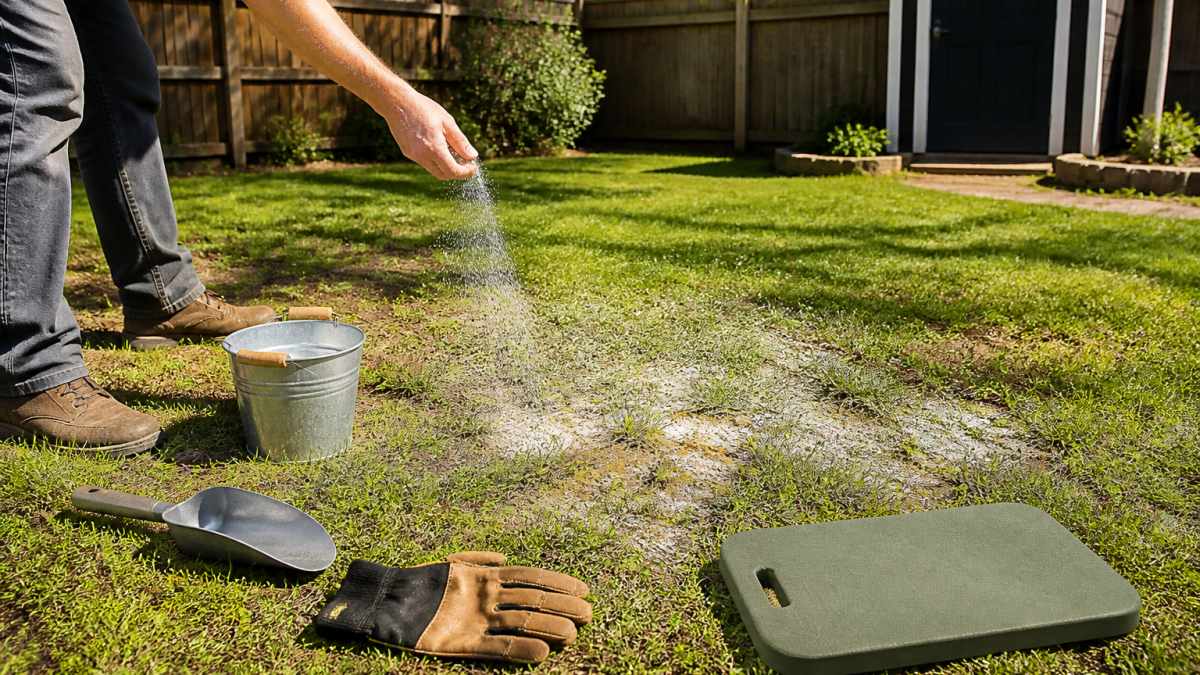
Apply your natural mineral-based odor eliminator directly to affected soil. Spread it evenly across the area, working it into the top 2-3 inches where odor compounds concentrate.
For granular mineral products, use a spreader or sprinkle by hand. Ensure even coverage without clumping.
Water lightly after application to help the mineral settle into soil. This increases contact with uric acid crystals and odor-causing bacteria.
For Arden Line's Chicken Coop Deodorizer, the same principles apply to outdoor areas.

Maintenance and Reapplication Schedules
Outdoor conditions affect how long mineral treatment lasts. Rain washes minerals deeper into soil or away from the surface. Heat and sun exposure don't diminish mineral effectiveness, but they increase ammonia release rates.
Reapply your natural odor eliminator for pets after heavy rain or every 2-4 weeks during active seasons. If odor returns before this schedule, increase application frequency.
Monitor treated areas over time. As grass recovers and odor diminishes, you can reduce application frequency. Some yards need treatment only during warm, humid months when bacterial activity peaks.
Natural Ingredients That Actually Work
Multiple natural ingredients address pet odor through different mechanisms. Understanding how each works helps you choose the right solution for your situation.
Volcanic Zeolite: Mineral-Based Odor Trapping
Volcanic zeolite is a naturally porous mineral with a crystalline structure that traps ammonia and moisture molecules.
Zeolite works immediately upon contact with ammonia. It doesn't require time to activate or chemical reactions to function. This makes it ideal for situations where you need fast odor relief.
The mineral remains effective as long as it's present in the treated area. It doesn't break down or lose potency over time.
For pet owners seeking a natural odor eliminator pets can rely on without fragrance or chemicals, zeolite is the most effective mineral option.
Baking Soda and Vinegar: Accessibility vs. Performance
Baking soda absorbs some odors through chemical reaction. Vinegar's acidity neutralizes ammonia. Both are accessible, inexpensive, and safe for pets and children.
However, baking soda and vinegar have significant limitations. Baking soda works best on fresh odors and requires frequent reapplication. Vinegar's effectiveness decreases as it dries, and the vinegar smell itself can linger.
These ingredients work better as supplements to a primary solution rather than standalone treatments. They're useful for maintenance between mineral applications or for spot-treating small areas.
Enzymatic Cleaners: When Organic Breakdown Helps
Enzymatic cleaners contain proteins that break down organic compounds. They address the root cause by converting uric acid and other odor molecules into harmless substances.
Enzymes require moisture and time to work. They're most effective on fresh deposits and in indoor environments where conditions remain stable. Outdoor use is less reliable because rain, temperature changes, and UV exposure degrade enzymes.
Combining enzymatic treatment with mineral absorption delivers the best results. The enzyme breaks down odor compounds while the mineral absorbs the byproducts and residual ammonia.
Safety, Coverage, and Cost Considerations
Choosing a natural odor eliminator for pets requires evaluating safety, effectiveness, and value.
Pet and Household Safety by Species
Different pets have different sensitivities. Zeolite is safe for chickens, dogs, cats, and most household animals.
For poultry like chickens, zeolite provides additional benefits beyond odor control. It absorbs moisture in coops, reducing ammonia that damages respiratory health.
For households with children, fragrance-free mineral solutions eliminate concerns about artificial chemicals or essential oils. Zeolite poses no toxicity risk even if children touch treated areas.
Always verify safety information for any product you use. Arden Line's volcanic zeolite is OMRI Listed, confirming its safety for organic production and animal use.
Coverage Area and Price Per Use
Understanding coverage helps you calculate actual cost per application. A mineral product covering 100 square feet per application costs less per use than one requiring double the amount.
Calculate price per use by dividing the product cost by the number of applications it provides.
Outdoor pet odor treatment typically requires 2-4 applications per year depending on climate and pet activity. Budget accordingly when selecting your natural odor eliminator for pets.
Arden Line's Chicken Coop Deodorizer at $29.99 for 12 pounds delivers value for both coop and yard use.
Environmental Impact and Disposal
Natural mineral solutions biodegrade completely. Zeolite remains inert in soil, improving drainage and aeration without creating environmental concerns.
Chemical-based odor eliminators may leave residues that persist in soil and groundwater. Fragrance-based products contribute volatile organic compounds to the atmosphere.
Disposal is straightforward with mineral products. They can remain in treated areas indefinitely or be worked into soil where they improve soil structure. No special disposal procedures are required.
Arden Line's commitment to sustainability extends to packaging. Plastic-free kraft boxes and bags reduce waste compared to conventional plastic containers.
Common Mistakes That Keep Odors Coming Back
Understanding what doesn't work helps you avoid wasting time and money on ineffective approaches.
Treating only the surface is the most common mistake.
Relying solely on fragrance masks the problem temporarily.
Failing to address moisture creates conditions where bacterial activity accelerates.
Inconsistent reapplication allows odor compounds to accumulate again. Outdoor treatment requires regular maintenance.
Using incompatible products together can reduce effectiveness. Mixing enzymatic cleaners with mineral products may interfere with enzyme action.
Pet odor is solvable when you address the root cause instead of masking the problem.
Frequently Asked Questions
Do natural pet odor eliminators actually work on urine smell?
Yes, when they target the source rather than mask the smell. Urine odor comes from uric acid breakdown into ammonia gas. Natural mineral solutions like volcanic zeolite trap ammonia and moisture at the source, preventing the smell from returning. Fragrance-based products only hide the odor temporarily. For best results, choose an odor eliminator that absorbs rather than perfumes, and apply it directly to affected areas in your yard or coop.
What ingredients should you look for in a natural pet odor eliminator?
Look for volcanic zeolite (clinoptilolite), which absorbs ammonia and moisture without chemicals or fragrances. Baking soda offers accessibility but lower absorption capacity. Enzymatic cleaners work well on organic matter like feces and vomit by breaking down the compounds causing odor. Avoid products with artificial fragrances, perfumes, or synthetic additives. Check that the product is chemical-free and safe for pets and soil. OMRI listing indicates approval for organic production, a reliable sign of natural, non-toxic formulation.
How long does one application of a natural odor eliminator last?
Duration depends on moisture levels, traffic, and weather. In dry conditions, zeolite-based products can remain effective for several weeks. High humidity, rain, or heavy use reduces effectiveness faster, requiring reapplication every 1-3 weeks. For chicken coops, reapply when refreshing bedding or when ammonia smell returns. Track how long each application lasts in your specific environment to plan maintenance and budget for ongoing use.
Can you use natural odor eliminators on both indoor and outdoor surfaces?
Most natural mineral odor eliminators work on both, but application differs. Outdoor use on turf and soil handles moisture and weather exposure well. Indoor use on carpets, upholstery, and pet beds works effectively but requires careful vacuuming to avoid dust tracking. Always check product safety for the specific surface, some solutions may stain or require different dilution for indoor fabrics. For coops and outdoor runs, direct application is straightforward. For indoor carpets, sprinkle lightly, let sit, then vacuum thoroughly.


Leave a comment
This site is protected by hCaptcha and the hCaptcha Privacy Policy and Terms of Service apply.