
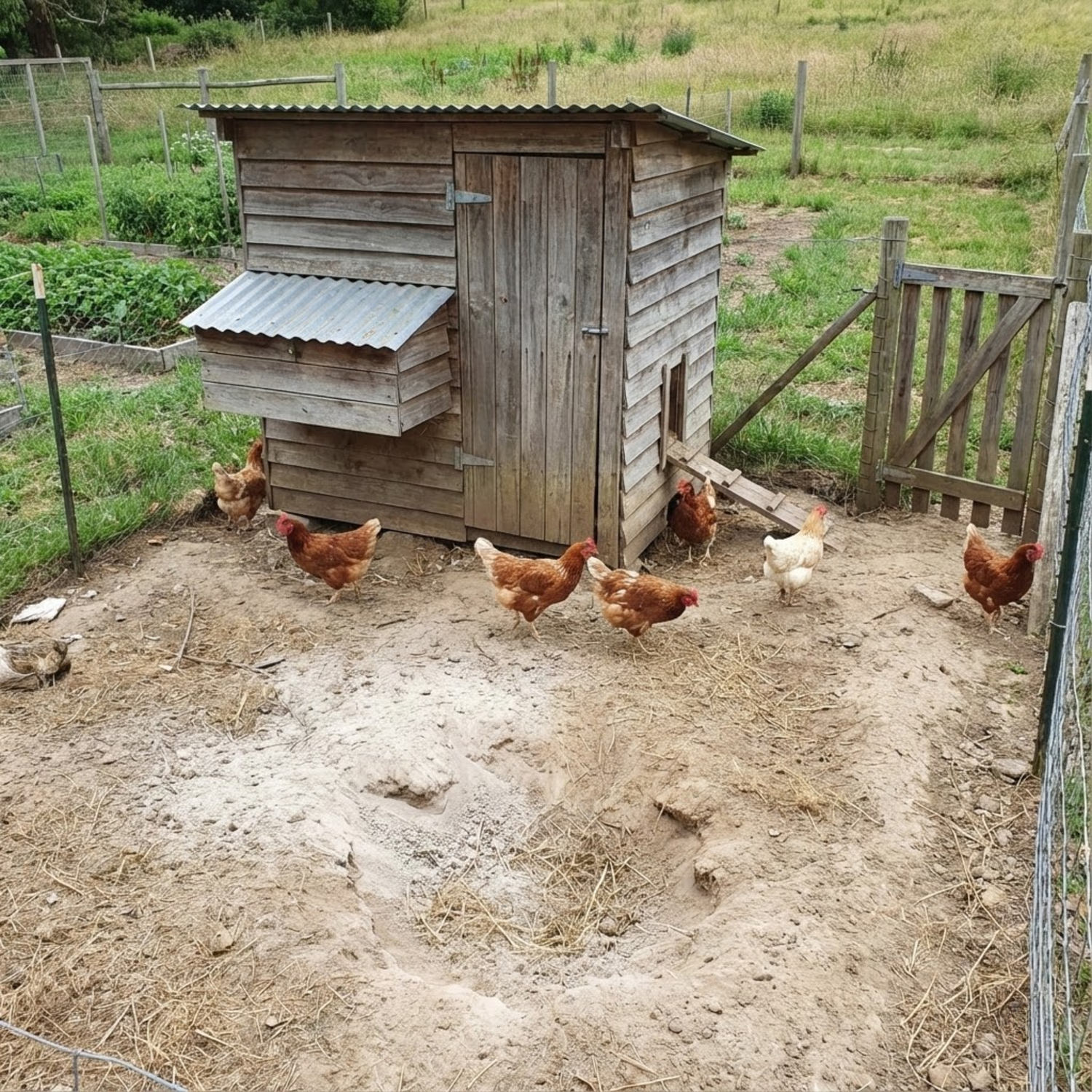
Dust bathing is not a novelty behavior in chickens—it is a core biological function. Long before backyard coops, chickens evolved to maintain their feathers, skin, and comfort through regular interaction with dry, mineral-rich ground. A modern dust bath, when thoughtfully designed, can closely replicate these natural conditions.
Among the materials increasingly used in well-designed dust baths, zeolite stands out—not because it is trendy, but because its physical and natural properties align exceptionally well with the needs of both chickens and the environments they live in.
Dust Bathing as a Biological System (Not a Single Behavior)
When a chicken dust bathes, several processes occur simultaneously:
-
Fine particles work through feathers down to the skin
-
Oils, debris, and moisture are redistributed or removed
-
External irritants are mechanically discouraged
-
Body comfort and thermoregulation are supported
-
Social behaviors are reinforced within the flock
A dust bath that fails in any one of these areas quickly becomes unused or ineffective. Zeolite contributes across multiple layers of this system.
Zeolite’s Unique Structure and Why It Matters
Zeolite is a naturally occurring aluminosilicate mineral formed through volcanic and hydrothermal processes. Its defining feature is a highly ordered, microporous crystal lattice, creating millions of microscopic channels and cavities.
This structure gives zeolite three properties especially relevant to dust bathing:
-
High surface area for physical adsorption
-
Selective ion-binding capacity
-
Structural stability under repeated use
These properties are why zeolite has long been used in animal housing, environmental management, and agricultural systems—often in places where biological waste, moisture, and living organisms intersect.
How Zeolite Specifically Supports Chickens During Dust Bathing
1. Feather Conditioning and Oil Balance
Chickens naturally produce oils to maintain feather flexibility and insulation. Over accumulation, however, can weigh feathers down and trap debris.
Fine zeolite particles:
-
Absorb excess oils without stripping feathers
-
Help redistribute oils evenly through physical contact
-
Support lighter, cleaner feather structure
This contributes to feathers functioning as intended—insulating without becoming matted or heavy.
2. Mechanical Support Against External Irritants
Dust bathing works primarily through physical action, not chemical treatment. Zeolite’s fine, angular particle structure enhances this mechanical effect by:
-
Penetrating dense feather layers more effectively than coarse soil
-
Creating an inhospitable surface for external pests
-
Supporting a cleaner skin environment without topical treatments
Importantly, zeolite does not act as a pesticide; it supports the conditions chickens rely on naturally.
3. Thermal Comfort and Microclimate Control
A chicken’s skin environment is sensitive to trapped moisture and heat. Zeolite contributes by:
-
Absorbing moisture that would otherwise remain against the skin
-
Supporting airflow within the dust bath material
-
Helping the bath remain loose and breathable over time
This is especially valuable in enclosed coops or humid climates where natural soil dries slowly.
Flock-Level Benefits: Why Zeolite Matters Beyond the Individual Bird
Dust baths are shared spaces. Materials that degrade quickly or retain waste can become sources of odor and contamination.
Zeolite supports flock health indirectly by:
-
Binding ammonia released from droppings tracked into the bath
-
Reducing sharp odor spikes that signal environmental stress
-
Helping baths remain usable longer between cleanouts
A dust bath that stays dry and functional is one that chickens actually use—reducing competition and encouraging normal social behavior.
From Coop to Compost: The Closed-Loop Advantage
One of zeolite’s most overlooked benefits is what happens after it leaves the dust bath.
Zeolite’s Role in Waste Management
As chickens use the dust bath, the material gradually accumulates:
-
Droppings
-
Shed feathers
-
Organic debris
-
Absorbed ammonia and moisture
Rather than becoming waste, this material can be composted.
Zeolite in Compost and Soil
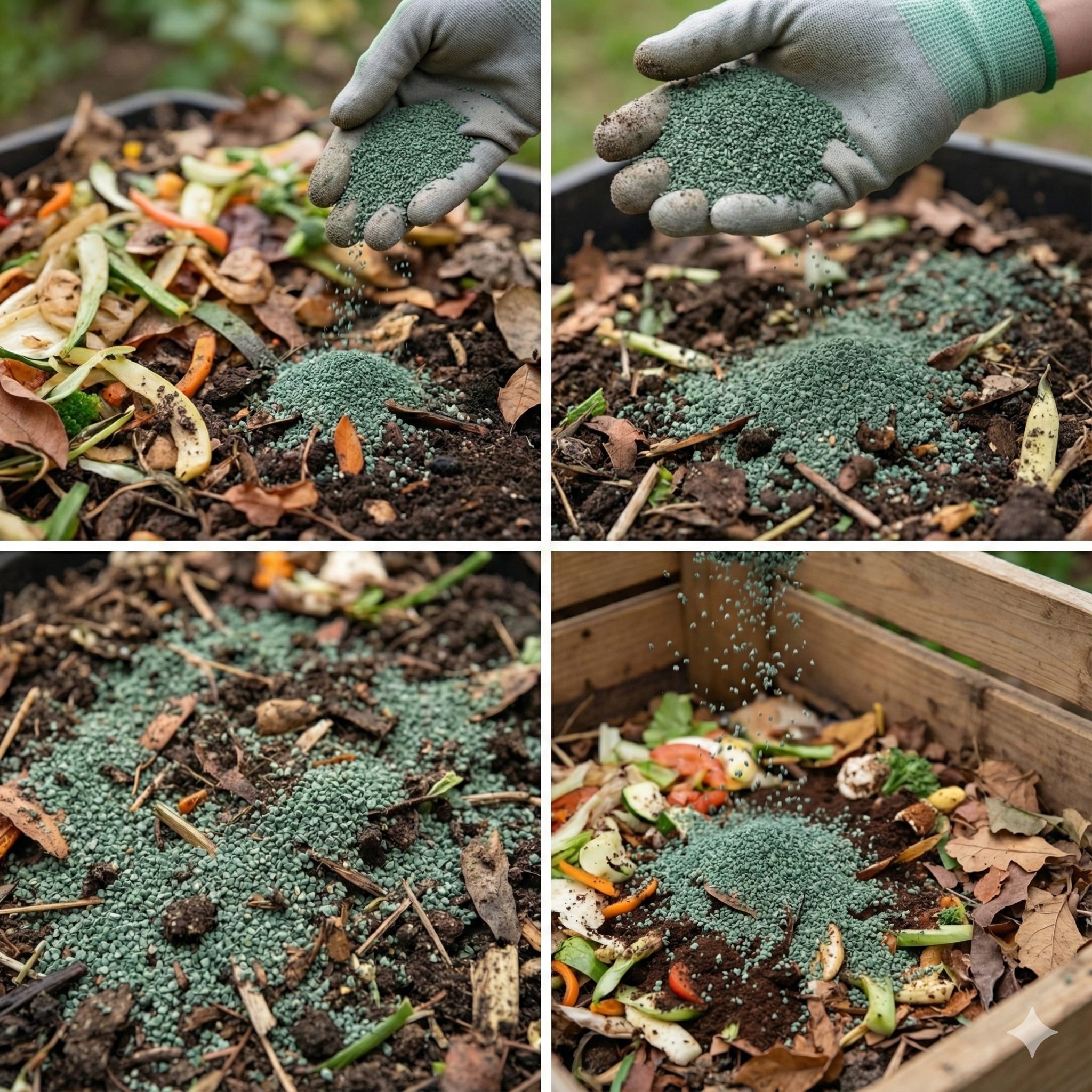
In composting systems, zeolite is valued for its ability to:
-
Retain nitrogen compounds that would otherwise volatilize
-
Reduce odor during decomposition
-
Help regulate moisture levels in compost piles
-
Improve nutrient retention in finished compost
When composted dust bath material is eventually applied to soil, zeolite continues to function as a nutrient-holding matrix, helping slow nutrient loss and improve soil structure.
This creates a practical cycle:
Dust bath → Coop cleanliness → Compost → Garden soil
Few dust bath ingredients offer this level of downstream utility.
Stability, Safety, and Predictability
From a husbandry perspective, zeolite is valued because it is:
-
Chemically inert under normal coop conditions
-
Insoluble and non-degrading
-
Consistent in performance over time
-
Compatible with other natural materials
When used as part of a balanced dust bath blend and kept dry, zeolite behaves predictably—an important quality in animal environments.
Why Zeolite Is an Exceptional Dust Bath Component
Zeolite is not a cure-all, nor is it meant to replace other dust bath materials. Its strength lies in how well it integrates into the biological, environmental, and agricultural systems surrounding a chicken coop.
It supports:
-
Natural dust bathing behavior
-
Feather and skin comfort
-
Cleaner shared environments
-
Odor and moisture balance
-
Composting and soil reuse
This multi-stage usefulness—from coop to garden—is what makes zeolite an unusually well-suited material for chicken dust baths.
Explore Arden Line Chicken Dust Bath
A mineral-forward blend designed to support dry, consistent dust bathing and responsible reuse.

Leave a comment
This site is protected by hCaptcha and the hCaptcha Privacy Policy and Terms of Service apply.