
Table of Contents
- Why Natural Pest Control Matters for Your Flock
- How to Stop Chicken Coop Ammonia Smell with Zeolite
- Natural Mite Treatment for Chickens: Dust Baths and Minerals
- How to Get Rid of Flies in Chicken Coop Naturally
- Herbal Repellents and Aromatic Plants for Pest Prevention
- Sanitation and Coop Hygiene: Your First Line of Defense
- Integrated Pest Management for Small Coops
- Frequently Asked Questions
Last Updated: September 19, 2026
Why Natural Pest Control Matters for Your Flock
Safe natural pest control for coops keeps your birds healthy without synthetic chemicals or harsh treatments. Backyard chicken keepers face constant pressure from mites, lice, flies, and rodents, pests that thrive in warm, humid coop environments and spread disease quickly through a flock. Chemical interventions work fast, but they leave residues on eggs, contaminate soil, and create resistance over time.
How to Stop Chicken Coop Ammonia Smell with Zeolite
Ammonia buildup is the silent killer in chicken coops. It accumulates from urine and droppings, creates respiratory stress, and attracts secondary pests like flies. The smell alone signals a problem, but the real damage happens in the birds' lungs before you notice the odor.
To use zeolite for ammonia control:

- Spread a 2-3 inch layer across the coop floor before adding bedding
- Apply directly to nesting boxes where ammonia concentrates
- Dust roosting bars and perches where birds spend long nights in stagnant air
- Reapply weekly or after heavy rain, and refresh completely with each bedding change
Natural Mite Treatment for Chickens: Dust Baths and Minerals
Understanding Poultry Mites and Scaly Leg Mites
Poultry mites come in several varieties, but the two that cause the most damage are northern fowl mites and scaly leg mites. Northern fowl mites live on the bird's body, feed on blood, and multiply explosively in cool, damp conditions, they can go from zero to severe infestation in 2-3 weeks. Scaly leg mites burrow under leg scales, causing crusty buildup, lameness, and chronic discomfort.
Creating an Effective Dust Bath System
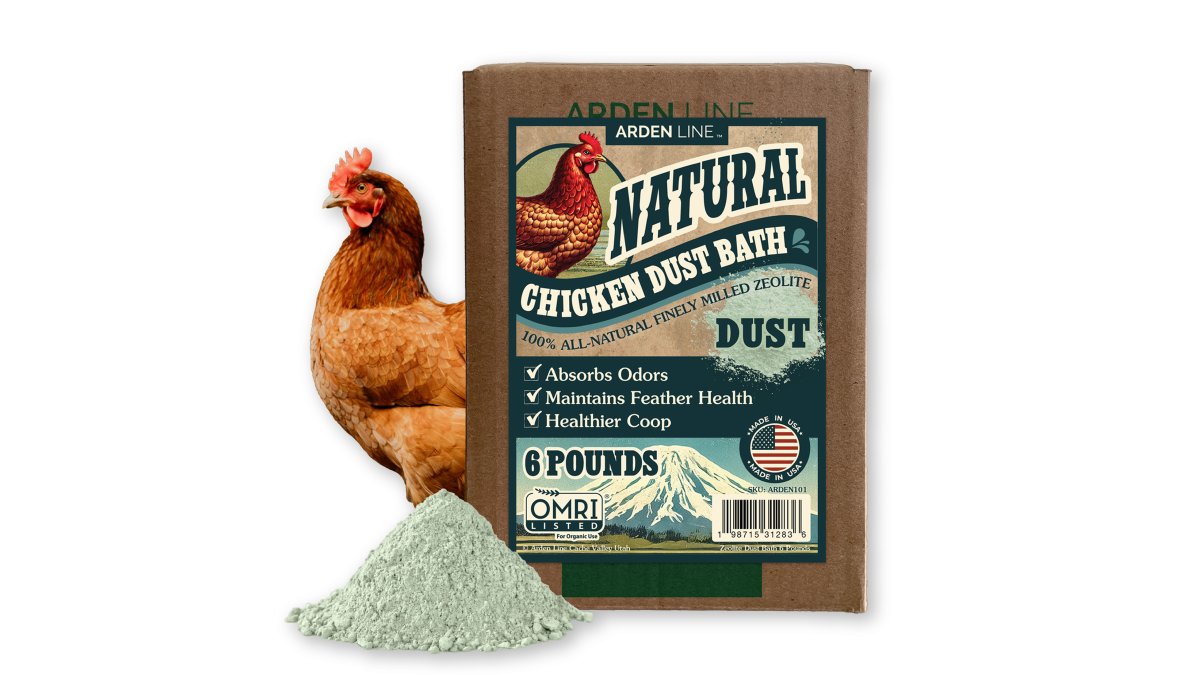
Dust bathing is how chickens naturally manage external parasites. In a dust bath, birds coat their feathers with fine mineral particles that cling to mite bodies, clog their spiracles (breathing holes), and cause dehydration. This behavior evolved over thousands of years, it's one of the bird's most effective defenses if given the right materials.

To create a dust bath that actually works:
- Use food-grade zeolite or diatomaceous earth as the base mineral (avoid playground sand or garden soil, which compact and lose effectiveness quickly)
- Mix in dried herbs like lavender, mint, or marigold for additional repellent properties
- Provide a dedicated container, a 20-gallon tub, wooden box, or old bathtub works well
- Place it in a sheltered, dry area of the run where birds can access it daily
- Refresh weekly by adding fresh mineral and removing compacted material
- Maintain depth of 6-8 inches so birds can fully coat their bodies
How to Get Rid of Flies in Chicken Coop Naturally
Flies thrive in filthy, wet conditions where they lay eggs in decomposing matter. A single female house fly can produce 500-1,000 offspring in a week, which is why fly populations explode in summer if you're not proactive. The problem compounds because flies spread disease, stress birds, and attract predators.
- Remove wet bedding immediately, don't let it sit more than a day
- Keep feed areas dry by using covered feeders and removing spilled grain daily
- Compost manure separately away from the coop, or let it dry completely before spreading
- Add zeolite to bedding to absorb moisture and reduce fly breeding habitat
- Ensure proper drainage around the coop so water doesn't pool
Herbal Repellents and Aromatic Plants for Pest Prevention
Chickens tolerate and often enjoy aromatic plants, and many of these plants have genuine pest-repellent properties. Lavender, mint, marigold, and basil contain volatile oils that insects find unpalatable or disorienting. Planting these around the coop creates a living barrier while adding beauty and utility to your setup.
Practical applications include:
- Dried herb bundles hung from roosting bars (replace every 4-6 weeks)
- Fresh herbs scattered in nesting boxes (change weekly with bedding)
- Potted plants around the coop perimeter (mint, basil, lavender)
- Herb-infused bedding by mixing dried herbs with wood shavings before spreading
Essential Oil Sprays and Safe Mixtures
Essential oil sprays work by creating an inhospitable environment for pests. A simple mixture of water, a carrier oil like coconut oil, and a few drops of lavender or peppermint essential oil can be sprayed lightly on roosting bars, nesting boxes, and bedding. The key word is lightly, you want to avoid saturating the coop or creating slippery surfaces that cause injury.
Safe spray recipe for small coops:
- 2 cups water
- 1 tablespoon coconut oil
- 8-10 drops lavender essential oil
- Shake well before each use
- Spray lightly on roosting bars and nesting box walls (not on birds directly)
- Reapply weekly
Sanitation and Coop Hygiene: Your First Line of Defense
Sanitation is the foundation of natural pest control. Every other method, dust baths, herbs, minerals, works better when the coop environment is clean and dry. Conversely, even the best treatments fail if you're constantly reintroducing pests through poor hygiene.
A proper sanitation routine includes:
- Daily spot-cleaning: Remove wet bedding, spilled feed, and visible droppings
- Weekly deep cleaning: Sweep out all bedding, scrub roosting bars and nesting boxes with a stiff brush, and inspect for pest signs
- Monthly coop wash: Hose down interior surfaces with water, let dry completely, then reapply zeolite before fresh bedding
- Seasonal deep clean: In spring and fall, remove all bedding, disassemble roosting bars if possible, and clean every corner
| Maintenance Task | Frequency | Why It Matters |
|---|---|---|
| Spot-clean wet bedding | Daily | Prevents ammonia buildup and fly breeding |
| Remove spilled feed | Daily | Eliminates pest food sources |
| Scrub roosting bars | Weekly | Disrupts mite and lice colonies |
| Refresh zeolite layer | Weekly or after rain | Maintains ammonia and moisture control |
| Full bedding change | Every 4-6 weeks | Removes accumulated pest populations and pathogens |
| Deep coop wash | Monthly | Eliminates hidden pest eggs and disease spores |
Integrated Pest Management for Small Coops
Integrated Pest Management (IPM) is a systematic approach that combines multiple strategies to keep pest populations below damaging levels without relying on chemicals. For small coops, IPM means layering prevention, monitoring, and targeted intervention so that no single pest ever gets out of control.
Prevention layer (the biggest investment, the smallest cost):
- Daily sanitation and spot-cleaning
- Zeolite in bedding and roosting areas for ammonia and moisture control
- Dust bath system with food-grade minerals
- Aromatic plants and herbs around the coop
Monitoring layer (weekly, takes 10 minutes):
- Inspect roosting bars for mite droppings (tiny black specks)
- Check leg scales for crusty buildup or swelling
- Look for feather loss, lethargy, or decreased egg production
- Count flies and note breeding patterns
Intervention layer (triggered only when monitoring shows a problem):
- Increase zeolite applications if ammonia smell returns
- Escalate dust bath treatments if mite signs appear
- Apply essential oil sprays to roosting areas if lice pressure builds
- Implement fly traps and herbal deterrents if fly populations spike
Frequently Asked Questions
How does zeolite help with natural pest control for coops?
Zeolite is a naturally porous mineral that traps ammonia gas and excess moisture, the root causes of coop odor and pest attraction. By absorbing these at the source rather than masking them, zeolite creates a drier, healthier environment that discourages mites, lice, and flies. The mineral's structure also provides mild abrasive action when chickens dust bathe, helping remove parasites from their feathers without chemicals.
Will natural pest control work for a small backyard coop with just a few chickens?
Yes. Small coops actually benefit significantly from natural pest control methods because the concentrated environment makes odor and moisture management critical. With fewer birds, you can be more consistent with dust bath maintenance and sanitation schedules. The Arden Line Chicken Dust Bath and Coop Deodorizer are designed for backyard-scale operations, making them ideal for coops with 5-15 birds. Regular application keeps ammonia levels low and pest pressure manageable.
What's the difference between diatomaceous earth and zeolite for chicken coops?
Both are natural minerals, but zeolite excels at absorbing ammonia and moisture, making it superior for odor control and creating an inhospitable environment for pests. Diatomaceous earth works primarily through physical abrasion on insect exoskeletons. Zeolite offers moisture control that prevents the damp conditions mites thrive in. For small coops where ammonia buildup is a concern, zeolite's moisture-trapping ability is a key advantage.
How often do I need to reapply zeolite and other natural treatments?
For the Arden Line Coop Deodorizer, sprinkle it over bedding and nesting boxes weekly or as needed, then refresh completely during bedding changes. Dust baths can be maintained 2-3 times weekly, adding fresh zeolite as birds use it. Herbal repellents and essential oil sprays may need reapplication every 1-2 weeks depending on weather and rainfall. The exact schedule depends on coop size, flock size, and moisture levels, watch for odor or dampness as your signal to reapply.
Are essential oils safe to use around chickens?
Some essential oils are safe when properly diluted and applied away from direct contact with birds. Lavender and peppermint are commonly used in coop sprays for their repellent properties. Always dilute essential oils in water or carrier oil before spraying, apply to nesting boxes and roosting areas rather than directly on birds, and ensure good ventilation. Never use concentrated oils or spray directly on feathers. If you're unsure about a specific oil, stick with proven options like lavender or consult a poultry health resource.
What's the best way to rodent-proof a coop while using natural pest control?
Rodent-proofing relies on physical barriers rather than pest control products. Seal all gaps larger than ¼ inch in coop walls, doors, and vents using hardware cloth or metal flashing. Elevate feeders and remove spilled grain daily, as rodents are attracted to food sources. Store feed in metal containers, not bags. Keep bedding dry, this is where natural pest control intersects with rodent prevention; ammonia buildup and damp conditions attract rodents. Regular coop sanitation and moisture management using zeolite make the environment less appealing to rodents.
How long does one bag of Arden Line Coop Deodorizer last?
The 12 lb bag typically lasts 2-4 weeks for a small coop (5-8 birds) with weekly applications and monthly bedding changes, depending on moisture levels and coop size. Larger coops or those with high moisture may need the 24 lb bag. Usage also depends on how frequently you refresh bedding and how wet conditions are. Start with weekly applications and adjust based on odor levels and bedding dampness. One bag covers roughly 100-150 square feet of coop floor area per application.
Can I use Arden Line products in a coop with very young chicks?
The Chicken Dust Bath is safe for chicks once they've developed feathers, typically around 3-4 weeks of age. Before that, chicks cannot regulate body temperature through dust bathing and may become chilled. The Coop Deodorizer is safe to use in brooder areas and chick coops, as it's fragrance-free and non-toxic. Apply it to bedding around (not directly on) chicks, and ensure proper ventilation. Always provide a heat lamp and monitor chicks for stress. Once chicks feather out, introduce the dust bath to encourage natural grooming behavior.


Leave a comment
This site is protected by hCaptcha and the hCaptcha Privacy Policy and Terms of Service apply.