
Table of Contents
- What You'll Need Before Buying Natural Minerals for Backyard Gardens
- Understanding Natural Mineral Soil Amendments
- Zeolite for Garden Soil: Types and Applications
- Minerals for Clay Soil: Improving Drainage and Aeration
- Buying Landscaping Rocks and Decorative Stones
- How to Calculate Quantity and Budget for Buying Natural Minerals
- Where to Buy Natural Minerals for Backyard Gardens
- Common Mistakes to Avoid When Buying Natural Minerals
- Frequently Asked Questions
Last Updated: October 17, 2026
What You'll Need Before Buying Natural Minerals for Backyard Gardens
Buying natural minerals for backyard gardens requires understanding your soil, space, and plant needs first; starting without a plan wastes money.
Before you buy, assess three factors: test your soil (clay, sandy, or loamy determines which minerals help most), measure your space (square footage and bed depth prevent under- or over-ordering), and identify your goal (drainage, moisture retention, nutrients, or pH).
At Arden Line, we recommend a soil test kit from your local cooperative extension office. It reveals pH, nutrient levels, and soil composition so you select minerals that address your specific challenges rather than guessing.
Create a checklist before shopping: soil type identified, dimensions measured, problem defined, budget set. This prevents impulse purchases.
Understanding Natural Mineral Soil Amendments
Natural mineral soil amendments improve soil structure, water retention, nutrient availability, and aeration without synthetic chemicals by creating pore space in compacted soil and holding nutrients in plant-accessible forms.
The most effective amendments include zeolite, perlite, pumice, and rock dusts. Zeolite excels at moisture and nutrient retention while improving drainage. Perlite lightens heavy clay and improves aeration. Rock dusts slowly release trace minerals. Crushed stone and gravel provide drainage and long-term structure.
Look for minerals sourced responsibly and free from chemical additives. Pure volcanic minerals like those from Arden Line offer consistent performance without fillers.
Amendments work best as part of a layered approach: zeolite combined with organic matter and proper cultivation transforms problem soil over a season.
Zeolite for Garden Soil: Types and Applications
Zeolite is a naturally porous volcanic mineral that absorbs excess moisture while slowly releasing nutrients and water back into the soil, useful for overwatered containers and drought-prone gardens. Its cage-like structure traps positively charged nutrients like potassium and ammonium, preventing leaching.
Two main grades serve different purposes in home gardening: regular grade and granular grade. Both are sourced and processed in the United States for consistent quality.

Regular Grade Zeolite
Regular grade zeolite features particle sizes between 1/8 and 1/4 inch, ideal for soil blends, raised beds, and garden rows.
This grade works well for vegetable gardens, herb beds, and ornamental plantings. Mix it into the top 6-8 inches of soil at 10-20% by volume; a 4-by-8-foot raised bed 12 inches deep needs roughly one 12-pound bag of Arden Line Zeolite Regular mixed throughout.
Regular grade also suits bonsai, succulent containers, and orchid mixes where precise moisture control determines success.
Granular Grade Zeolite
Granular grade zeolite offers finer particles between 1.4 and 4 millimeters, blending seamlessly into potting mixes and container soils.
This grade excels in potting mixes, container gardening, and aquarium filters. For indoor houseplants, mix granular zeolite at 15-25% of your potting blend. It also suits seed-starting mixes, where moisture consistency and aeration influence germination.
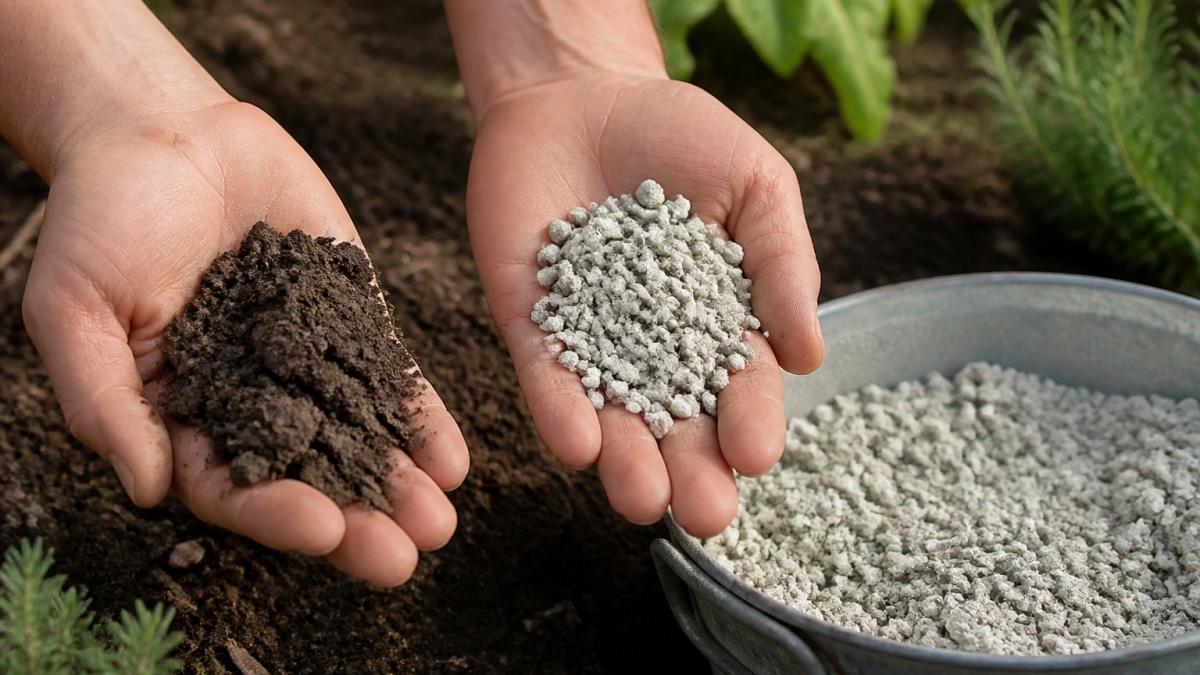
Both Arden Line grades share the same benefits: improved drainage, enhanced nutrient retention, better aeration, and long-term soil structure improvement. Outdoor gardens favor regular grade; containers perform better with granular.
Minerals for Clay Soil: Improving Drainage and Aeration
Clay soil drains poorly because fine particles pack tightly, leaving little space for water or air, and compaction worsens each season. Mineral amendments create pore space and prevent re-compaction.
Zeolite addresses clay from two angles: its porous structure physically creates space in compacted soil, and it absorbs excess water during wet periods and releases it during dry spells.
For clay improvement, work zeolite into the top 8-10 inches of your bed at 1-2 pounds per 10 square feet, mixed thoroughly. The mineral doesn't dissolve, so benefits accumulate year after year.
Other clay helpers include perlite (lightweight, improves aeration), pumice (similar with slower breakdown), and coarse sand. Avoid fine sand, which mimics clay's packing. Rock dust and granite meal slowly release minerals while improving structure.
The common mistake: adding only sand to clay. Successful clay improvement combines physical structure (zeolite, perlite, pumice) with organic matter (compost, aged manure) and time.
Buying Landscaping Rocks and Decorative Stones
Landscaping rocks stabilize slopes, define beds, suppress weeds, regulate soil temperature, and add visual interest. Matching types to design goals and practical needs is key.
River Rocks and Pebbles
River rocks and pebbles are smooth, rounded stones formed by water over thousands of years. Their smooth surface resists sharp edges that damage tools and feet.
River rocks range from small pebbles (roughly 1/4 inch) to large decorative stones (several inches across). Smaller pebbles work around plant bases, in pathways, and as mulch alternatives; larger rocks create focal points. Prices vary by size and local availability.
When buying river rocks, consider intended use. Small pebbles suppress weeds and regulate moisture but need occasional raking; large stones demand less maintenance but provide less coverage. Many gardeners combine large rocks as visual anchors with smaller pebbles for coverage.
Crushed Stone and Gravel
Crushed stone and gravel offer superior drainage to river rocks with a more utilitarian look. Angular edges lock together, creating stable pathways.
Crushed limestone (calcium carbonate) gradually raises soil pH, making it valuable for acidic soils. Granite crushed stone provides excellent drainage without pH effects. Basalt offers dark color and neutral pH. Pea gravel (small rounded stones) is suitable for pathways and decorative borders.
Crushed stone typically costs less than river rocks per unit volume, making it economical for large projects, but requires more frequent raking as smaller pieces migrate and settle. For ornamental gardens, the choice depends on aesthetic preference and maintenance tolerance.
Landscape Boulders and Flagstone
Landscape boulders create dramatic focal points and provide structural stability on slopes. Large boulders (50+ pounds) require careful placement but deliver immediate visual impact. Smaller boulders (10-50 pounds) offer similar benefits with easier installation.
Flagstone provides flat surfaces for pathways, patios, and stepping stones; its layered structure (typically slate, limestone, or sandstone) creates natural stepping surfaces. Installation requires a stable sand or gravel base to prevent rocking.
Zeolite Mineral Lava Rocks (Regular) →
When buying boulders and flagstone, verify weight and dimensions before purchase. A "small" boulder may still weigh 75 pounds, requiring equipment or multiple people to move. Flagstone thickness affects durability; thinner pieces suit decorative use while thicker pieces (1+ inches) handle foot traffic better.
How to Calculate Quantity and Budget for Buying Natural Minerals
Calculating the right quantity prevents both waste and shortages; the formula depends on project type and desired coverage depth.
For soil amendments like zeolite, use this calculation: Length (feet) × Width (feet) × Depth (inches) ÷ 324 = cubic yards needed.
For decorative rocks and gravel, the calculation is similar but accounts for loose material settling. A 100-square-foot area covered 2 inches deep with pea gravel requires roughly 0.6 cubic yards (accounting for settling).
Budget considerations extend beyond material cost. Factor in delivery fees (often $25-$75 depending on distance and quantity), equipment rental, and labor if you're hiring help.
Create a spreadsheet listing project dimensions, desired amendments, quantity calculations, and unit prices. This prevents impulse purchases and ensures you compare true total costs, not per-pound figures that ignore delivery and application expenses.
Where to Buy Natural Minerals for Backyard Gardens
Purchasing options range from local suppliers to online retailers, each offering different advantages. Your choice depends on budget, urgency, and project scale.
Local Quarries and Stone Suppliers
Local quarries and landscape supply yards offer immediate access to materials, no shipping delays, and the ability to inspect products before buying. You can see actual colors, textures, and sizes rather than relying on photos. Staff often provide free advice on quantities and applications based on their experience with local soil conditions.
Prices at local suppliers often undercut online retailers because shipping costs are eliminated. However, selection may be limited compared to larger online operations. If your region produces specific stone types (granite in New England, limestone in the Midwest), local suppliers offer competitive pricing on those materials.
Visit suppliers in person with your project dimensions and photos of your garden. Staff can recommend appropriate materials and calculate quantities more accurately than online ordering allows. Building relationships with local suppliers often results in better pricing for repeat customers and recommendations for future projects.
Online Retailers and Specialty Suppliers
Online retailers offer broader selection, competitive pricing, and convenience. You can compare products from multiple suppliers without leaving home. Specialty retailers focusing on natural amendments often carry premium-grade zeolite and minerals unavailable locally.
Arden Line offers premium volcanic zeolite sourced and processed in the United States, available in both regular and granular grades. The Zeolite Mineral Lava Rocks (Regular) at $23.99 for various sizes provides consistent quality for garden amendments. The Granular Grade option at the same price point suits container gardening and potting mixes. Both arrive in plastic-free kraft packaging, aligning with sustainable gardening practices.

Online ordering requires accurate quantity calculations since you can't inspect materials beforehand. Read product descriptions carefully, noting particle size, origin, and any certifications. Check shipping costs before finalizing orders, heavy materials like zeolite incur significant delivery fees that may offset price advantages.
Collecting Rocks Locally
Free or low-cost rock collection from your property, nearby streams, or public land (with permission) reduces costs and creates unique character in your garden. River rocks from local waterways match your regional landscape naturally. Fieldstone from clearing projects provides authentic local materials.
Before collecting, verify that gathering is permitted. Many public lands prohibit removal of natural materials. Private property requires owner permission. Once you've confirmed access, collect gradually over time, storing materials until you're ready to use them.
Local collection works well for decorative purposes and small-scale projects. For large landscaping needs requiring consistent material quantities, commercial sources provide the volume and uniformity that DIY collection cannot match.
Common Mistakes to Avoid When Buying Natural Minerals
Understanding common pitfalls prevents costly errors and disappointing results.
Buying without testing soil. Purchasing amendments without knowing your soil composition often means selecting materials that don't address your actual problems.
Underestimating quantity needed. Most gardeners order too little material. Calculating coverage and then ordering the exact amount leaves no margin for waste, settling, or application errors.
Mixing incompatible materials. Combining amendments without understanding their interactions sometimes produces poor results. Adding only sand to clay can worsen compaction.
Ignoring particle size. Buying "zeolite" without specifying regular or granular grade means receiving material unsuited to your application. Match particle size to your specific use.
Overlooking delivery costs. Comparing per-pound prices without including shipping often reveals that the "cheapest" option costs more overall.
Applying amendments incorrectly. Even quality materials fail if applied improperly.
Expecting immediate transformation. Soil improvement takes time.
Buying natural minerals for backyard gardens becomes straightforward once you understand your soil, measure your space, and match materials to your goals.
Frequently Asked Questions
What natural minerals work best for improving garden soil drainage?
Zeolite is one of the most effective natural minerals for drainage improvement. Its porous structure holds water and nutrients in the root zone while allowing excess moisture to drain, preventing waterlogging. Other options include perlite, pumice, and coarse sand. For clay soil specifically, zeolite works well because it reduces compaction and increases aeration. The choice depends on your soil type, plant needs, and budget.
How much natural mineral soil amendment should I add to my garden?
For raised beds and containers, mix 20-30% zeolite or mineral amendment by volume into your soil. For existing garden beds, work 2-4 inches of mineral amendment into the top 6-8 inches of soil. For clay soil improvement, start with a 3-4 inch layer tilled in. The exact amount depends on your soil condition, plant type, and drainage needs.
Are decorative rocks and minerals safe to use around edible plants?
Natural, untreated rocks and minerals are safe around edible gardens. Choose products like zeolite, river rocks, and pebbles that have no chemical coatings or additives. Avoid colored decorative stones unless confirmed chemical-free. Always verify that minerals are food-safe and free of contaminants. Arden Line's zeolite is OMRI listed, making it approved for organic production and safe for use around vegetables and herbs.
What's the difference between buying natural minerals locally versus online?
Local quarries and stone suppliers offer lower shipping costs and the chance to inspect materials in person, but selection may be limited. Online retailers provide wider variety, consistent quality, and convenient delivery, though shipping adds cost for heavy materials. For bulk landscaping rocks, local sourcing is usually cheaper. For specialty minerals like zeolite, online suppliers often offer better selection and pricing. Consider your project size and delivery needs when choosing.

Leave a comment
This site is protected by hCaptcha and the hCaptcha Privacy Policy and Terms of Service apply.